
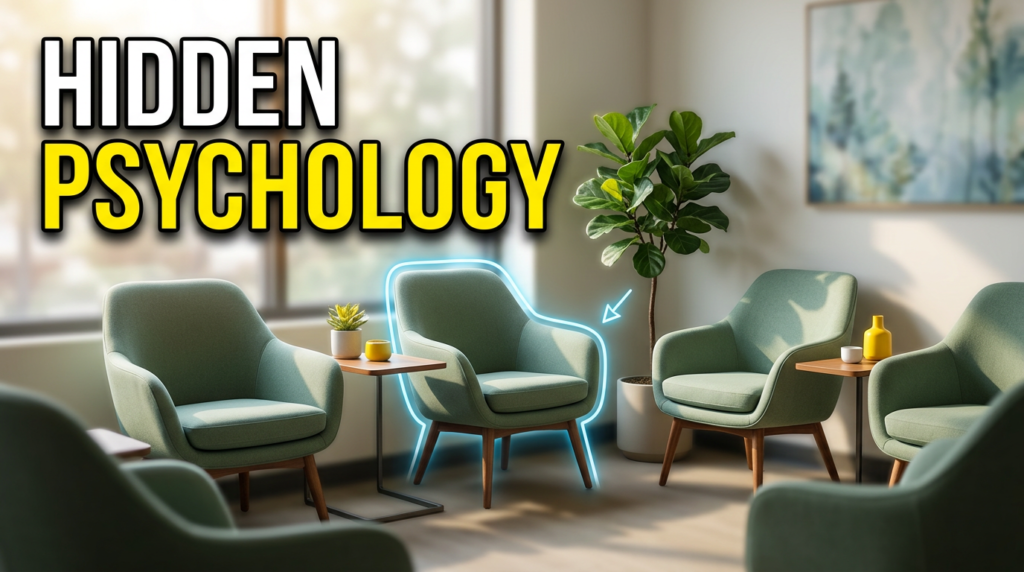
Doctor Office Design: The Hidden Psychology of Your Waiting Room Explained
You are sitting in a chair that is just a little too firm. The art on the wall is… fine. The only sound is the low hum of the air conditioner and a clock that seems to be ticking backward. That familiar sense of unease starts creeping in — the kind of anxiety that makes you want the whole thing to be over with.
But very little of this is an accident. The chair you are sitting in, the art you are ignoring, even the layout of the room itself — in a thoughtfully executed doctor office design, it is all part of a quiet strategy. It is a script, written in the language of design, meant to shape your emotions before you even see the doctor. And it is more powerful than most people realize.
A growing body of evidence shows that the design of these spaces can significantly influence a patient’s emotional state. The waiting room is not just a holding area. It is, in many cases, the first step in your care — setting the tone for trust, safety, and how you feel about the entire visit. Here is a breakdown of the design secrets that are, right now, either calming you down or quietly stressing you out.
Secret #1: The Chairs Are Spaced to Manage Your Stress
Let’s start with where you sit.
It seems simple, but the choice and placement of chairs is one of the most critical decisions in any doctor office design. We have all experienced it — a crowded room with chairs crammed so close together that you are practically bumping knees with a stranger. That feeling of having your personal space invaded is not just awkward. It can seriously ramp up feelings of anxiety.
While long rows of hard, connected chairs are still common in many clinics for cost and capacity reasons, best-practice design is steadily moving away from them. Modern, patient-focused design understands a key psychological principle: a lack of control over your environment increases stress. So how do thoughtful designers fight this?
Well-designed waiting rooms often use smaller seating clusters to create a sense of choice and control. You may find quiet corners for individuals, small group seating for families, and open areas for those comfortable around others. These layouts support both comfort and psychological safety.
Even armrests serve a purpose. They help define personal space and create a subtle buffer between patients. Ergonomic seating also makes it easier for older adults and people with mobility challenges to sit and stand independently.
The goal is to provide personal space without isolation. By reducing “social threat” and giving patients more control over where they sit, the layout helps create a stronger sense of comfort, security, and trust.
Secret #2: The Color on the Walls Is Trying to Calm You Down
Now, look at the walls.
If you are in a newer clinic, chances are they are not that sterile, intimidating white. That is because design research — including a study published in HERD in January 2024 examining how waiting room characteristics affected the emotions of over 1,100 patients — consistently finds that all-white, overly clinical environments are experienced as anxious and alienating. Instead, you are far more likely to see soft blues, gentle greens, or warm earthy tones. This is not a decorator’s whim. It is a deliberate psychological choice.
Color psychology plays an important role in healthcare design. While no color can magically reduce stress, certain shades consistently promote a sense of calm. Blue often represents trust and stability, while green connects people with nature and healing.
Designers use these colors to create a more welcoming and restorative environment. Many healthcare facilities rely on calming blues and greens to make spaces feel less clinical and more comfortable.
In contrast, bright reds and oranges are uncommon in waiting areas. While useful for emergency signs, they can feel intense and increase anxiety.
That soothing color palette is not accidental. It helps create a sense of safety, comfort, and calm before a patient even speaks to a doctor.
Secret #3: The Light Is Engineered to Be Your Friend
Next, think about the light.
Have you ever sat under the harsh, buzzing hum of old fluorescent tubes? It is draining, unflattering, and feels completely institutional. That single element alone can poison the entire mood of a room. A growing field of research confirms that the quality and color of light influences stress levels, mood, and even the perception of how long you have been waiting.
This is precisely why modern healthcare doctor office design consistently prioritizes one thing: maximizing natural light. Large windows and skylights are not just aesthetic choices — they are functional design tools used to make a space feel more open and connected to the outside world. Studies consistently show that exposure to natural light in healthcare settings is linked to better moods and reduced patient stress.
But what about windowless rooms? That is where the engineering gets interesting. Designers now use layered lighting strategies to replicate the calming effects of natural light. This typically means warmer, amber-toned LED lights instead of cool, blue-toned fluorescents. Research has found that warmer lighting is generally associated with relaxation — with some lab-based studies noting that moods like anger were elevated under saturated blue or red lighting compared to yellow light. By avoiding harsh overhead glare and using a mix of soft, indirect light with warmer-toned lamps, designers can transform a space from sterile clinic to something that feels closer to a calm, welcoming room.
Whether it is a sun-drenched space or one with carefully chosen warm bulbs, the lighting in a thoughtfully designed clinic is intentionally engineered to be gentle on your nervous system.
Secret #4: The Art Is Not Just Decoration — It Is a Distraction
Finally, look at the art on the walls.
It might seem like an afterthought, but in a well-considered doctor office design, art serves a specific psychological purpose: positive distraction. When we are anxious, our minds tend to spiral into worry. Giving us something pleasant and engaging to focus on can interrupt that cycle. Research published in Frontiers in Public Health confirms that biophilic interventions — including nature-themed art — enhance stress recovery and improve emotional well-being in healthcare environments.
This is where the concept of biophilic design becomes relevant. Biophilia is the idea that humans have an innate need to connect with nature. Bringing natural elements into a building can have a powerful calming effect, and this goes far beyond a few potted plants in the corner. It is an approach that includes natural materials like wood, possibly a water feature, and — importantly — nature-themed artwork displayed throughout the space.
Studies show that even images of nature can create calming effects similar to a real outdoor view. Research has found that nature-themed artwork can lower stress, improve mood, and provide a positive distraction for patients. That simple landscape painting on the wall may be more therapeutic than it looks.
Designers often choose nature scenes because they offer a familiar, non-threatening focal point. They can shift attention away from worries and make wait times feel shorter.
For this reason, healthcare spaces usually favor nature-inspired artwork over abstract pieces in high-anxiety areas. Familiar landscapes tend to feel more calming and predictable.
The art does more than fill empty walls. It serves as a simple yet effective tool for reducing stress and creating a more comforting environment.
What It All Adds Up To
The next time you find yourself in a waiting room, take a moment to really look around. Notice the space between the chairs, the color on the walls, the warmth of the light, and the art. You will start to recognize that none of these elements are random. They are the vocabulary of a hidden language — one that speaks directly to your emotional brain.
Not every clinic has the budget or the building to fully incorporate all of these ideas. But in an intentionally designed space, these elements work together to create a cohesive experience. The seating layout can increase a sense of control. Soothing colors, relaxing lighting, and calming artwork also help. Together, these elements can reduce anxiety and support healing.
A well-thought-out waiting room is a powerful example of patient-centered care. It communicates, without words, that your comfort matters. Good design cannot replace a compassionate doctor. However, it can make a difficult experience feel a little more human.
FAQ Section
Q1: What is doctor office design and why does it matter?
A: Doctor office design refers to the intentional planning of the physical environment in a medical practice — including layout, color, lighting, seating, and art. It matters because research consistently shows it directly affects patient anxiety, trust, and overall experience before care even begins.
Q2: What colors are best for a doctor’s office waiting room?
A:Doctor office designers consistently recommend soft blues, gentle greens, and warm earthy tones. These colors promote calm, trust, and healing, while stark all-white clinical environments often increase anxiety.
Q3: How does lighting affect patients in a waiting room?
A:Natural light helps reduce patient stress and improve mood. When spaces lack natural light, warm amber-toned LEDs provide an effective alternative. In contrast, harsh fluorescent lighting—especially cool blue-toned bulbs—often increases agitation and discomfort.
Q4: What is biophilic design in healthcare?
A: Biophilic design in healthcare is the practice of integrating natural elements — such as plants, natural materials, water features, and nature-themed art — into clinical spaces. Research shows it can meaningfully lower patient stress, reduce anxiety, and even support faster recovery.
Q5: Why does nature-themed art appear in so many doctor’s offices?
A: Nature-themed art in doctor office design provides a form of positive distraction. Studies show that even images of nature can have a calming effect. They help lower stress and make wait times feel shorter.
Q6: How does seating arrangement affect patient anxiety in a waiting room?
A: Clustered seating zones — rather than long rows of connected chairs — give patients a sense of personal space and choice. This small design decision reduces what designers call “social threat.” It also helps patients feel more in control of their surroundings, which can directly lower stress.