Introduction
Most people have experienced that sinking feeling — you switch on the lights and nothing happens. No fault, no storm, just a meter that ran out of credit at the worst possible moment. If that sounds familiar, you already understand the most important thing about a prepaid meter: it only gives you energy when you have paid for it first.
So what is a prepaid meter, exactly, and is it actually a smart way to manage your electricity or gas? Whether you are renting a flat in London, running a household in Johannesburg, or just trying to keep your energy bills under control, this guide walks you through everything — how these meters work, what they cost, their real advantages, and the drawbacks you need to know before committing.
What Is a Prepaid Meter?
Prepayment meters, also called pay-as-you-go (PAYG) meters, are a type of gas and electricity meter installed by energy suppliers so customers pay for their energy in advance. Think of it exactly like a prepaid mobile phone — you add credit, and as you use energy, that credit decreases until you top it up again.
A prepaid electricity meter is commonly used in residential, commercial, and industrial settings as an alternative to traditional postpaid electricity meters. The core idea is straightforward: pay before you consume, rather than receiving a bill after the fact.
Geographically, prepayment meters have been deployed across the globe. South Africa and the UK have deployed this system in huge volumes and with considerable success. Other countries that have adopted the system include Zimbabwe, Nigeria, New Zealand, France, Bangladesh, and many others.
How Does a Prepaid Meter Work?
Understanding the mechanics helps you use the system more effectively. The process follows a clear sequence from purchase to power.
Step 1: Buying Credit
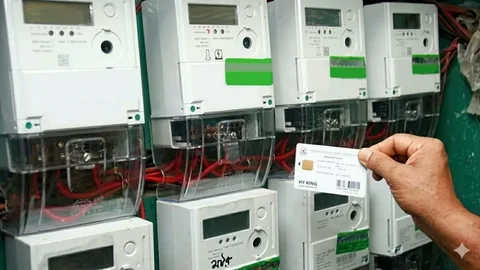
You can add credit to your meter through a smartphone app if you have a smart prepay meter. Payment can also be done via a key, token, or smartcard that can be topped up at places like supermarkets, corner shops, and Post Offices. In South Africa, tokens are widely available at retailers like Pick n Pay, Checkers, and through mobile banking apps.
Step 2: Loading the Token or Credit
The consumer purchases a voucher from a vending outlet and then loads the tokens specified by the voucher onto their meter. This is done by entering the voucher PIN using the meter’s keypad. If the token is valid, a credit of kWh is added to the meter.
In South Africa specifically, most prepaid electricity meters use STS (Standard Transfer Specification) technology, meaning most prepaid meters accept the same code — a 20-digit encrypted code — which prevents fraudulent vouchers from being generated.
Your prepaid electricity meter counts the flow of electricity used in kWh. The meter balance decreases as you use electricity. The red LED on the meter flashes as electricity is used — the faster it flashes, the more units are being used.
Step 4: Low Balance Alerts and Disconnection
There is another LED light on the right side of the meter that helps you monitor your credit balance. When it is green, you have sufficient credit. However, it turns red when your balance drops below a certain threshold. A beeping alarm will also indicate that a shut-off will happen soon.
Once the credit is used up, the meter stops the supply of electricity. When you top up again, power is restored automatically — no engineer visit required.
Not all prepaid meters work the same way. The type you have affects how you top up and how easily you can manage your account.
Key and Card Meters (Traditional)
These are the older, more common type. With key and card meters, you have a physical electronic key (electricity) or card (gas) which you can take to any Post Office or PayPoint outlet to add credit. They are simple and widely available, but they do require a physical trip to a shop. E
Smart Prepayment Meters
Smart meters are the newer generation. If you have a smart meter with a prepayment setting, you can top up using your card or key at a top-up point, online through an app on your mobile phone, or via your in-home display (IHD). You can also check how much credit you have left on your IHD or through an app.
Many suppliers now offer auto top-ups and low-balance alerts, so you never run out of credit unexpectedly. This makes the smart prepayment meter significantly more convenient than its older counterpart.
Advantages of a Prepaid Meter
There are some genuinely useful reasons why millions of households choose — or are placed on — a prepaid system.
Full Control Over Spending
Users can monitor and control their electricity consumption more effectively since they need to pay in advance. This is particularly valuable for people managing tight household budgets, where an unexpected large bill at the end of the month can cause real financial stress.
No Bill Shock
You are less likely to build up a surprise bill — you are paying for energy you have already used, not waiting for an estimated bill to arrive. Traditional meters often produce estimated readings, which can result in significant over or under-billing. Prepaid meters eliminate that problem entirely.
Better Budgeting
The prepaid system empowers customers to understand the cost of energy and enables them to budget their usage in accordance with their financial position and lifestyle. Because it is not necessary to pay large bills once a quarter or month, consumers may choose their own timing and frequency of purchasing electricity.
No Meter Readings Required
Because you pay upfront, the problems associated with the logistics of meter reading are eliminated, providing a substantial saving to the utility provider. For consumers, this means no one needs to visit your home to check the meter, and you will never face an incorrect bill due to a misread.
Emergency Credit
Most prepaid systems include an emergency credit feature. If you cannot afford to top up your meter, Ofgem rules in the UK mean that your supplier must offer you support, which may include additional support credit if you are in a vulnerable situation. In South Africa, similar emergency provisions exist through municipal suppliers.
Disadvantages of a Prepaid Meter
Being realistic about the downsides helps you make a properly informed decision.
Risk of Accidental Disconnection
The risk of accidental disconnections can shut off your lights and heat at inconvenient times. Although there is emergency credit, it is limited — sometimes just £5. That risk makes prepaid meters less suitable for households with very young children, elderly residents, or anyone whose health could be seriously affected by a sudden loss of heat or power.
Potentially Higher Unit Rates
Historically, prepaid customers paid more. Prepayment meters were traditionally among the most expensive ways to pay for energy, which drew accusations of unfairness. However, the situation has improved. Since February 2024, Ofgem introduced discounts on standing charges for prepay users, making them cheaper than standard variable tariffs overall — although unit rates may still be higher than fixed credit tariffs.
Inconvenience of Topping Up
More than half of prepayment meters are still the older type that require a trip to the shops to top up. If you live in a rural area or have limited mobility, this can become a genuine barrier to keeping your supply running.
Tariff Update Delays
Older meters need to have their prices updated manually after price rises or drops, which can take months. This means you could be left paying old rates and owing a lump sum or paying too much. Smart meters resolve this issue automatically.
Prepaid Meters in South Africa vs the UK
While the underlying concept is the same, there are meaningful differences in how these systems operate across regions.
In the UK, as of 2026, around four million people use prepayment energy meters, according to Ofgem. The regulatory framework is well-developed, with protections around forced installations and supplier obligations toward vulnerable customers.
In South Africa, prepaid meters are far more widespread and culturally embedded. Prepaid meters are widely used across South Africa because they put users in direct control of their electricity spending. The token system is managed through the Standard Transfer Specification protocol, and top-ups are available at thousands of retail points across the country, including via mobile apps like the Powertime platform.
For an authoritative overview of energy consumer rights in the UK, the Citizens Advice energy guide is a reliable resource. South African users can find detailed guidance on electricity tariffs and metering through the National Energy Regulator of South Africa (NERSA).
Prepaid Meter vs Credit Meter: What Is the Difference?
The distinction comes down to timing of payment and control.
A credit meter records your consumption and bills you afterward — usually monthly or quarterly. A prepaid meter requires you to load credit before you use energy. A prepayment meter only gives you energy once you have topped it up in advance. A credit meter gives you energy first and you pay later, usually by direct debit or by bill.
Neither is universally better. Your choice should depend on your budget habits, household circumstances, and whether you prefer predictable upfront costs or more flexible post-use billing.
Tips for Getting the Most from Your Prepaid Meter
A few practical habits can save you money and prevent unexpected disconnections.
Set a weekly top-up reminder rather than waiting until the credit runs critically low. During winter months, energy consumption rises sharply — budget more generously during those periods. If your meter supports it, enable low-balance alerts through your supplier’s app. Always buy tokens or credit from authorised vendors only, as third-party sellers in some regions have been known to charge inflated prices. And if you are in the UK and struggling to afford a top-up, contact your supplier directly — they are legally required to offer support options under Ofgem rules.
Understanding what is a prepaid meter is the first step toward managing your energy costs more confidently. Whether in the UK or South Africa, the principle is the same. Pay for what you use when you can. Track your balance before it hits zero. The control this system offers is real, and with the right habits in place, it can be a genuinely effective way to keep energy costs manageable throughout the year.
FAQ Section
What is a prepaid meter and how is it different from a normal meter?
A prepaid meter is a type of energy meter that requires you to pay for electricity or gas before you use it, rather than receiving a bill afterward. Unlike a standard credit meter — where you pay for what you have already consumed — a prepaid meter deducts from a credit balance in real time. When the balance reaches zero, your supply is automatically cut off until you top up again.
How do I top up a prepaid electricity meter?
You can top up using a physical key, smartcard, or token at participating shops, Post Offices, or PayPoint and Payzone outlets. If you have a smart prepaid meter, you can also top up online or through your energy supplier’s mobile app. The credit is applied to your meter either instantly or within minutes of the transaction.
Can I switch from a prepaid meter to a regular meter?
Yes, in most cases. In the UK, you can request a switch from your energy supplier, though they may assess your account status and credit history before agreeing. In South Africa, switching typically requires an application to your municipality or utility provider and may involve an installation fee. Your supplier or local authority is the right starting point.
Is a prepaid meter more expensive than a credit meter?
It depends on your region and tariff. In the UK, prepaid meters used to cost more, but since February 2024, Ofgem introduced discounts on standing charges for prepay customers, making overall costs comparable to or slightly lower than standard variable credit tariffs. Unit rates may still be higher than the cheapest fixed credit deals, so comparing tariffs is always worthwhile.
What happens if my prepaid meter runs out of credit at night or on a weekend?
Most prepaid meters include an emergency credit facility that activates automatically when your balance hits zero. This gives you a small amount of energy — typically enough to keep essential appliances running — until you can top up. With smart prepaid meters, you can top up instantly via an app at any time of day or night.
What is a prepaid meter used for besides electricity?
Prepaid meters are also widely used for gas supply, particularly in the UK where gas key meters operate on the same pay-as-you-go principle as electric prepayment meters. In some countries, prepaid water meters are also installed in residential and commercial properties to manage water consumption in a similar way.
Are prepaid meters suitable for families with young children or elderly residents?
They can be, but caution is needed. To avoid accidental disconnection, households with young children, the elderly, or medical equipment users should keep a healthy credit balance.. In the UK, Ofgem bans forcing prepayment meters on vulnerable households, requiring suppliers to offer alternative payment options instead.